
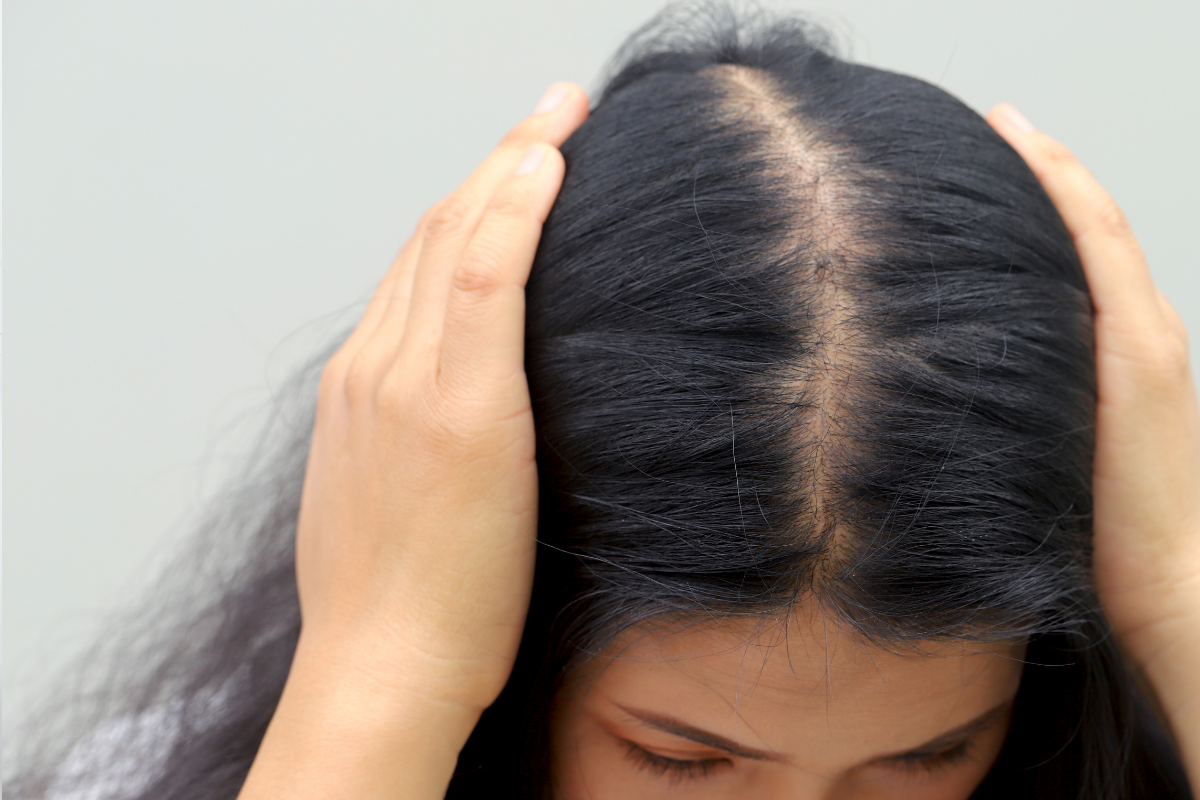
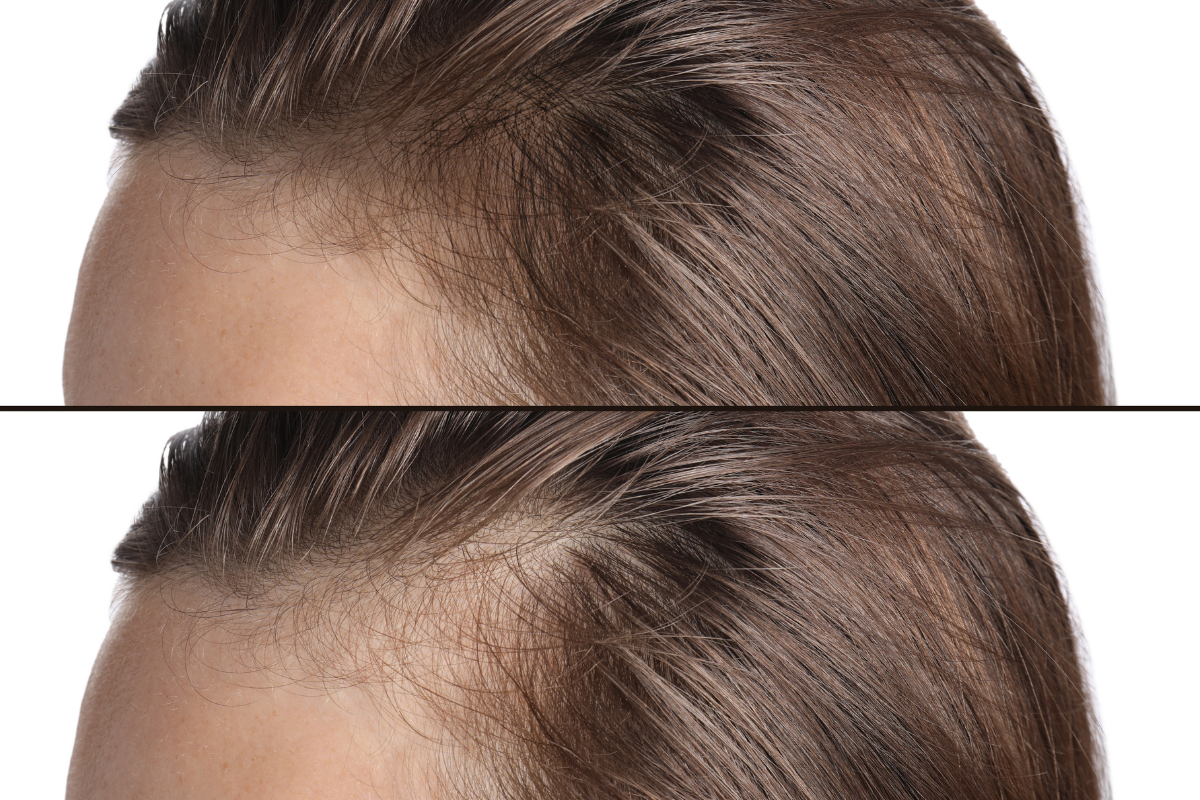
Hair loss may begin as increased shedding, a widening part, thinning around the hairline or small areas where the scalp becomes more visible. Because these changes can develop gradually, many people wait until the difference feels significant before seeking advice.
Hair loss can have several possible causes, and similar-looking patterns may require very different forms of care. Family history, health conditions, nutritional deficiencies, hormonal changes, stress, medication and certain hair practices may all be relevant, making the underlying cause important to identify before treatment is discussed.
At Ballani Skin Aesthetics, Dr. Indu Ballani assesses the pattern of loss, scalp condition, medical history and previous treatments before considering suitable next steps. Earlier assessment may help clarify whether the concern involves temporary shedding, progressive thinning or another form of hair loss.
At Ballani Skin Aesthetics, Dr. Indu Ballani considers how the hair loss began, whether it is sudden or gradual, the areas affected, scalp condition, medical history and treatments already tried. Because hair loss can have more than one cause, the plan is selected only after the pattern is understood more clearly. Further tests may sometimes be advised when a medical condition, deficiency, hormonal imbalance or infection is suspected.
The distribution, speed and duration of hair loss can provide important clues about what may be causing it.
Health changes, medications, family history, stress, nutrition and hair practices may all be relevant.
Treatment is considered according to the identified cause, condition of the follicles and individual suitability.
Hair loss does not always require machine-based treatment. The approach depends on the pattern, possible cause and condition of the scalp and follicles. Any technology or hair-restoration procedure will be discussed only when it is relevant to the diagnosis and individual suitability.
Not everyone requires tests. However, Dr. Indu Ballani may recommend further investigation when the pattern suggests that a nutritional deficiency, hormonal change, medical condition or infection could be contributing to the hair loss.
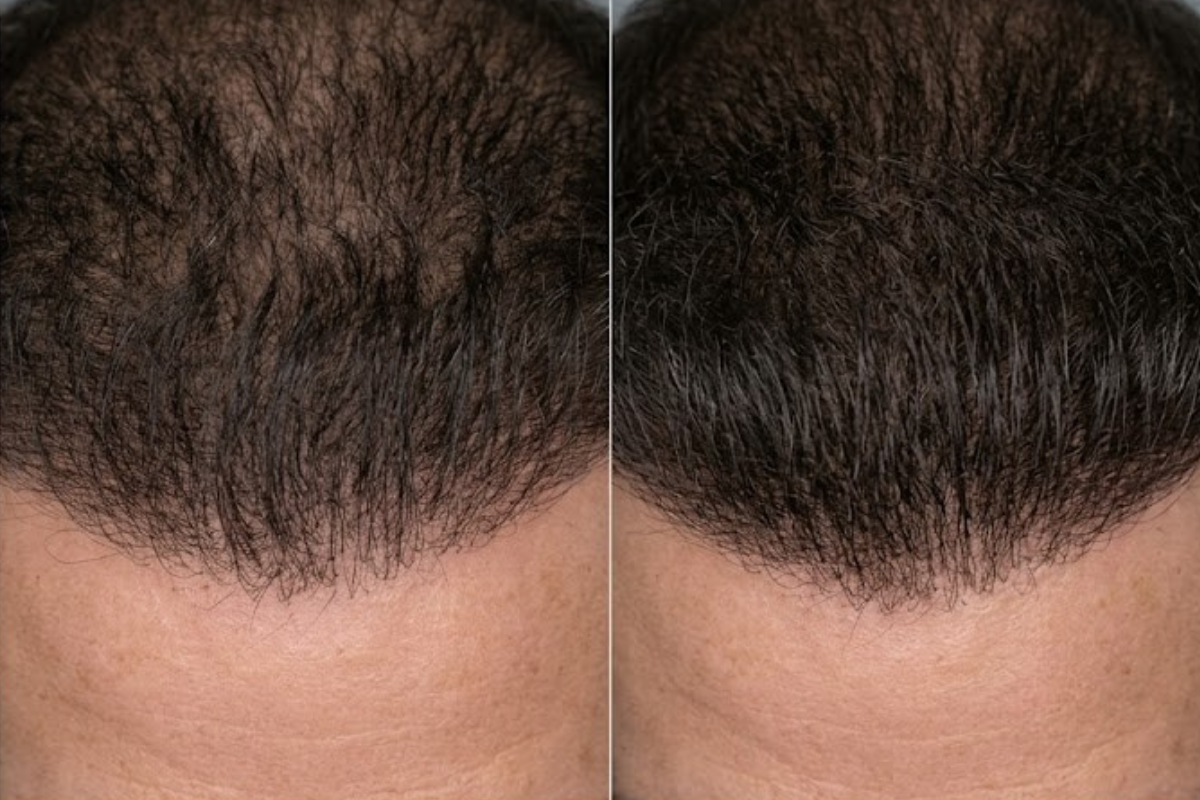
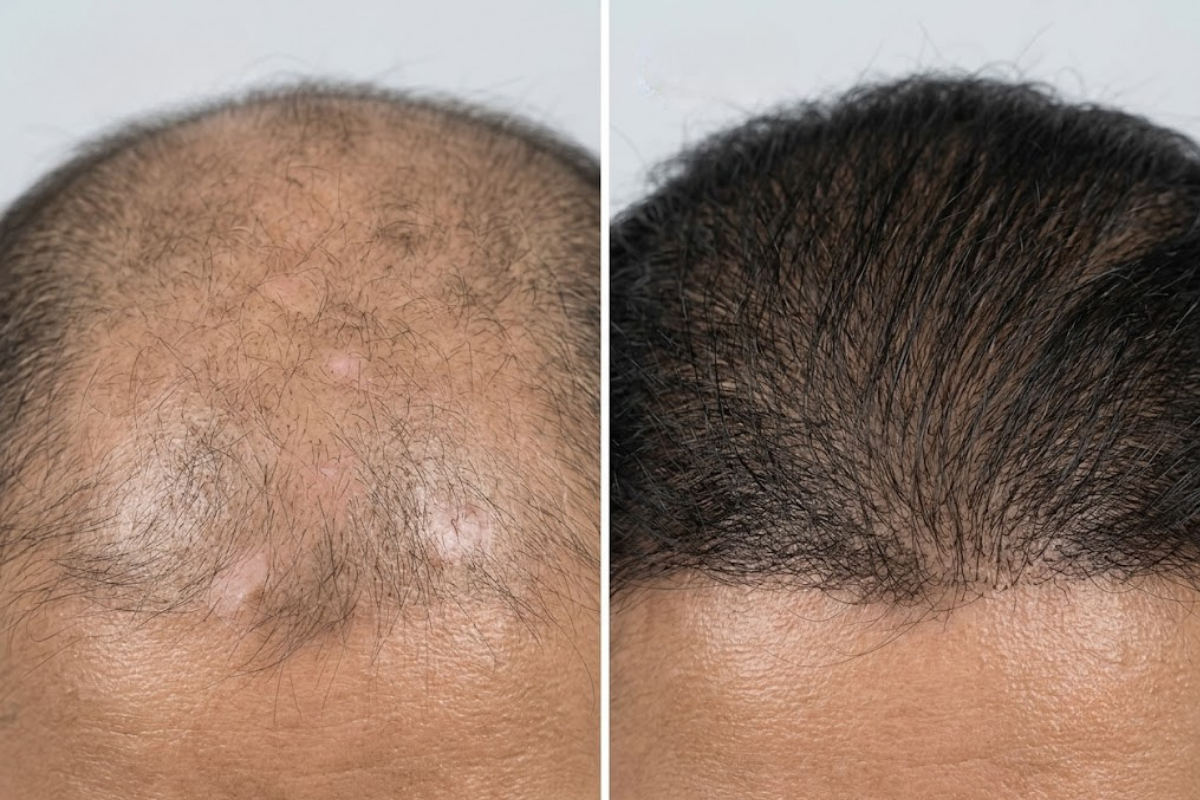
This depends on the cause and whether the follicles remain capable of producing hair. Some temporary forms of shedding may improve, while progressive or scarring forms of hair loss may require early and ongoing management. Treatment cannot guarantee complete regrowth.
Hair responds slowly, so treatment generally needs time and consistency before its effectiveness can be assessed. The expected timeline depends on the diagnosis, treatment selected and individual response.
WhatsApp us