

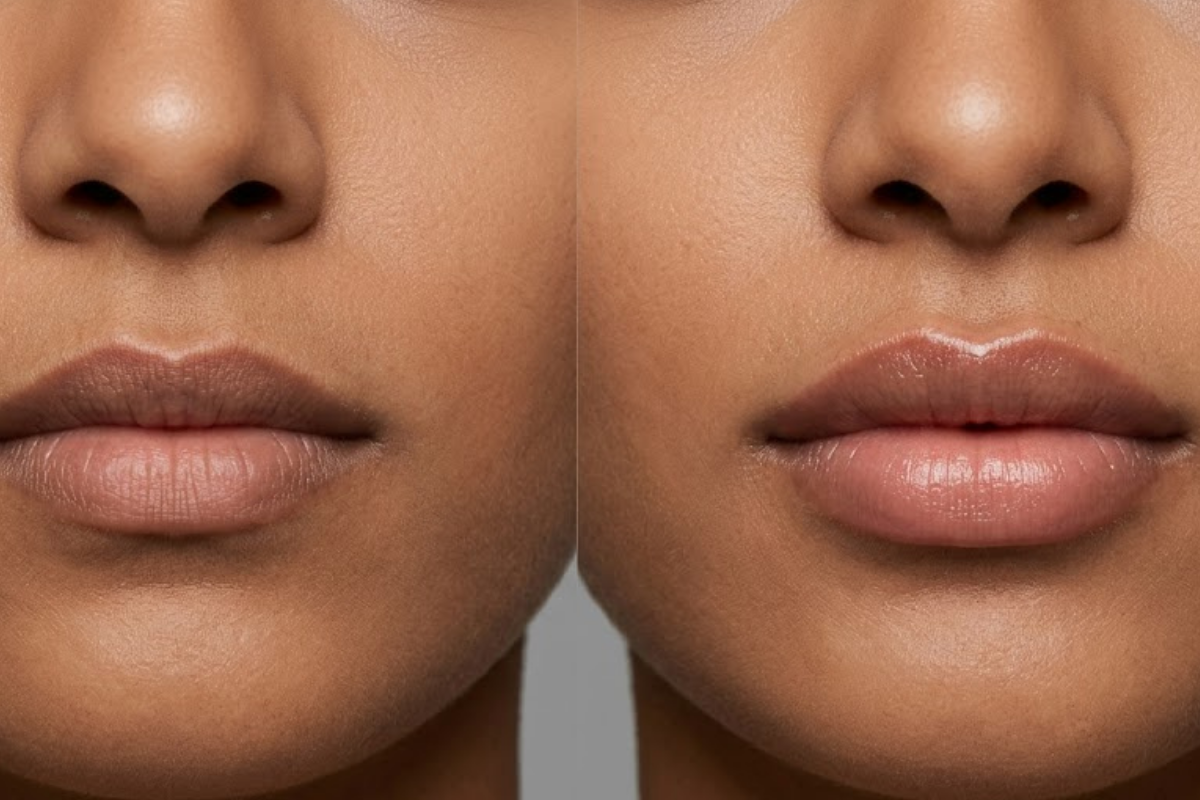
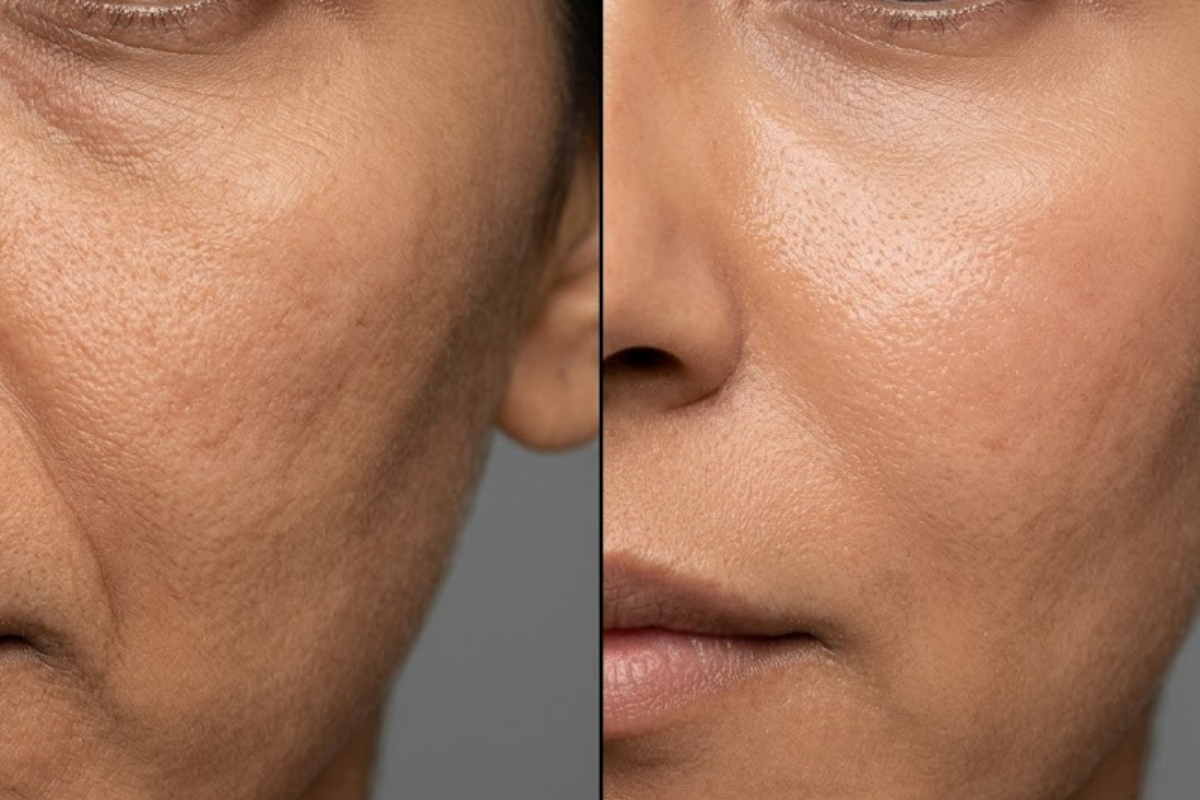
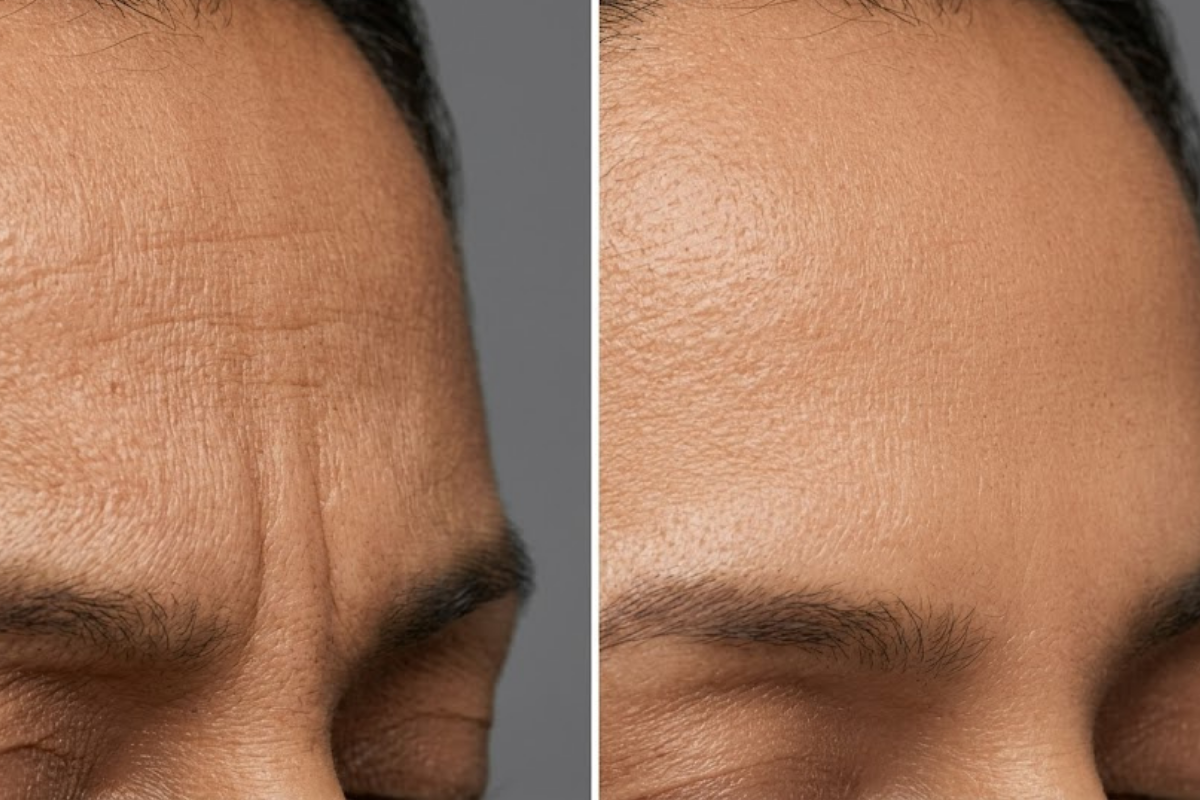
Botox and dermal fillers are both injectable treatments, but they work in different ways and are not interchangeable. Botulinum toxin can temporarily reduce movement in selected facial muscles to soften certain expression lines, while dermal fillers add volume beneath the skin and may be used to support facial contours or areas that have lost fullness.
The appropriate treatment depends on what is creating the concern—muscle movement, reduced volume, facial structure or a combination of factors. Careful product selection, placement and quantity are important because injectable treatments involve medical risks as well as aesthetic considerations.
At Ballani Skin Aesthetics, Dr. Indu Ballani assesses the face at rest and during expression, along with facial proportions, medical history, previous treatments and the change the patient is hoping to achieve. She then discusses whether Botox, filler, a combination of treatments or no injectable treatment is the most suitable approach.

At Ballani Skin Aesthetics, Dr. Indu Ballani assesses facial movement, volume, proportions, skin condition and any previous injectable treatments before preparing a plan. She considers whether the concern is related to muscle activity, volume loss, facial structure or a combination of these factors, then selects the treatment areas, product and amount accordingly. Botox and fillers may be used separately or together, but only where each has a clear purpose.
The face is examined both at rest and during expression to understand what is contributing to the concern.
Treatment is planned in relation to the entire face so that one feature is not considered without its effect on surrounding proportions.
The injectable, treatment area and amount are selected according to facial anatomy, individual suitability and the intended degree of change.
No. Botox temporarily reduces selected muscle movement and is commonly used for expression-related lines. Dermal fillers add or restore volume beneath the skin and may be used to support contours, soften certain folds or enhance selected features. One may be more suitable than the other depending on what is causing the concern.
Dr. Indu Ballani assesses the face at rest and during expression to understand whether the concern comes from muscle activity, volume loss, facial structure or a combination of factors. Botox and fillers may be used separately or as part of a carefully planned combination, but each treatment area should have a clear purpose.
The degree of change depends on the treatment areas, placement and amount used. The plan can be kept subtle and proportionate, but results vary and complete control over the individual response cannot be guaranteed. The intended outcome and acceptable level of change should be discussed before treatment.
Botulinum toxin results commonly last around three to four months, although this can vary. Many fillers provide an immediate change, but their duration depends on the filler material, treatment area and individual response; most commonly used fillers are gradually absorbed by the body.
WhatsApp us