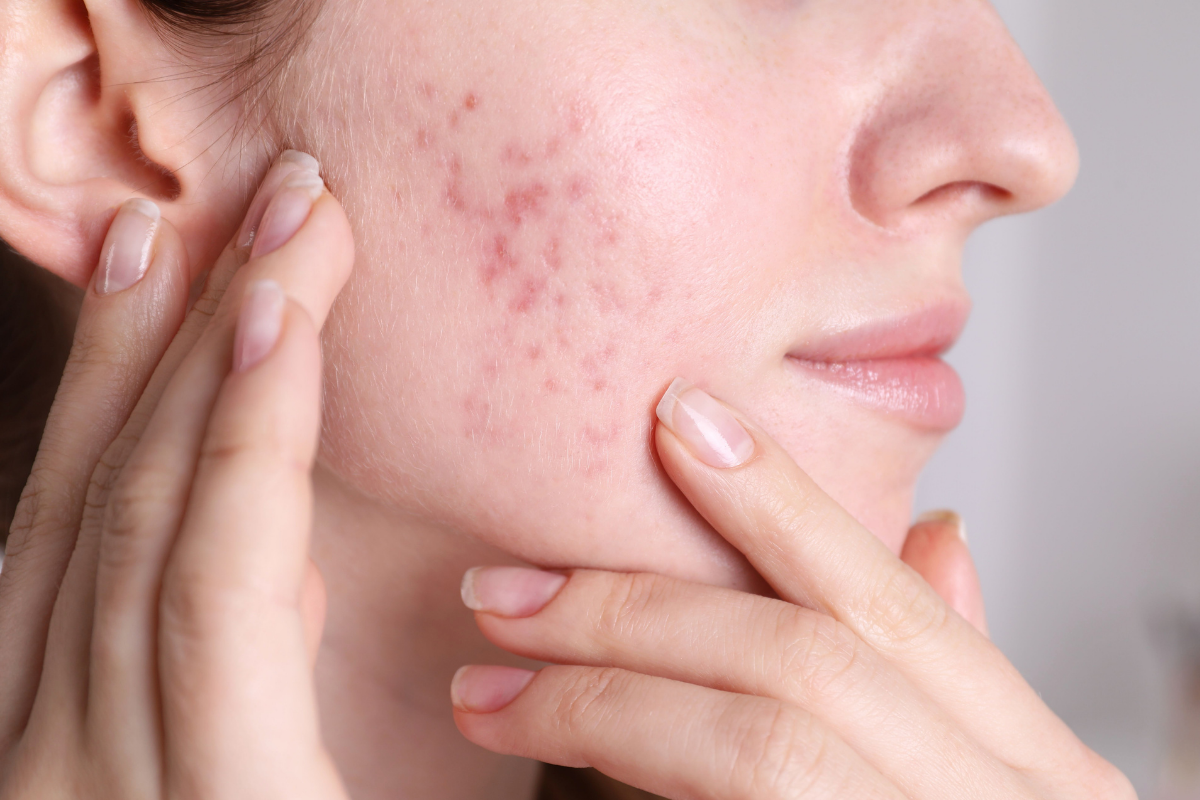
Acne may remain active beyond the teenage years, and even after breakouts settle, marks or uneven texture can continue to affect the skin. Active acne and existing scars are different concerns, so they may require different forms of care.
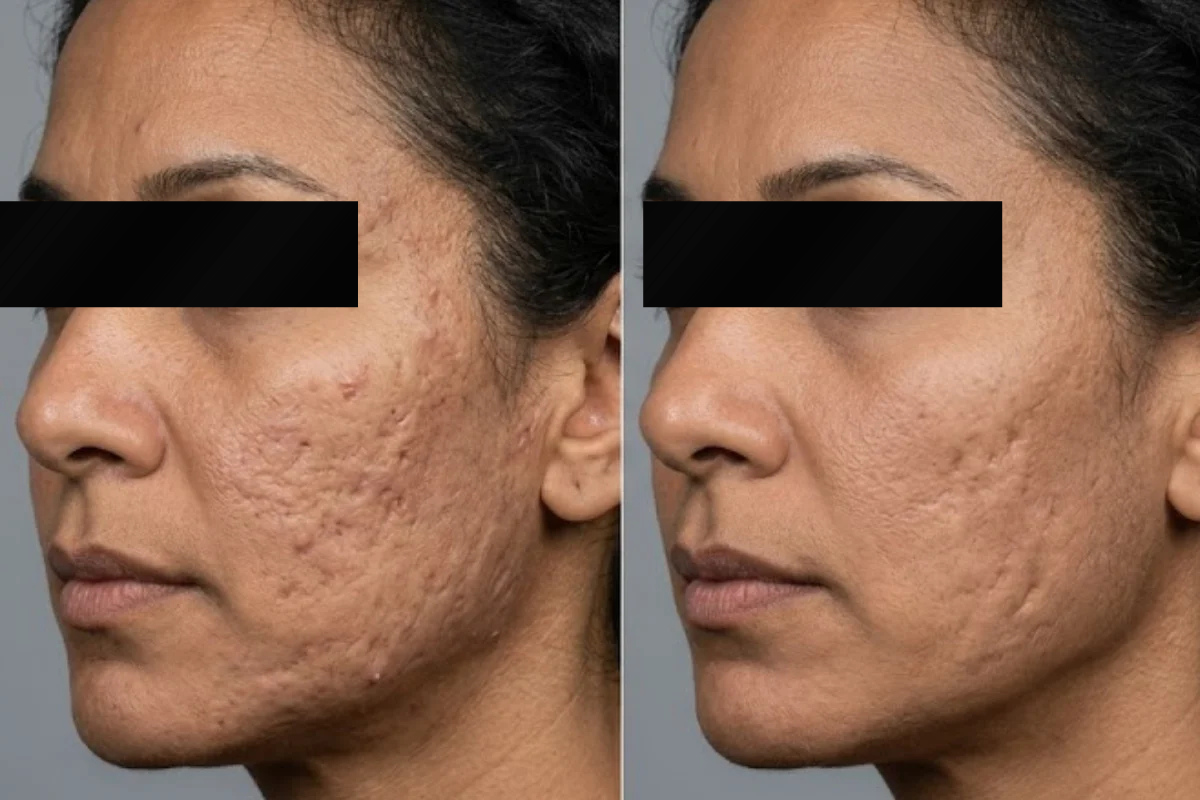
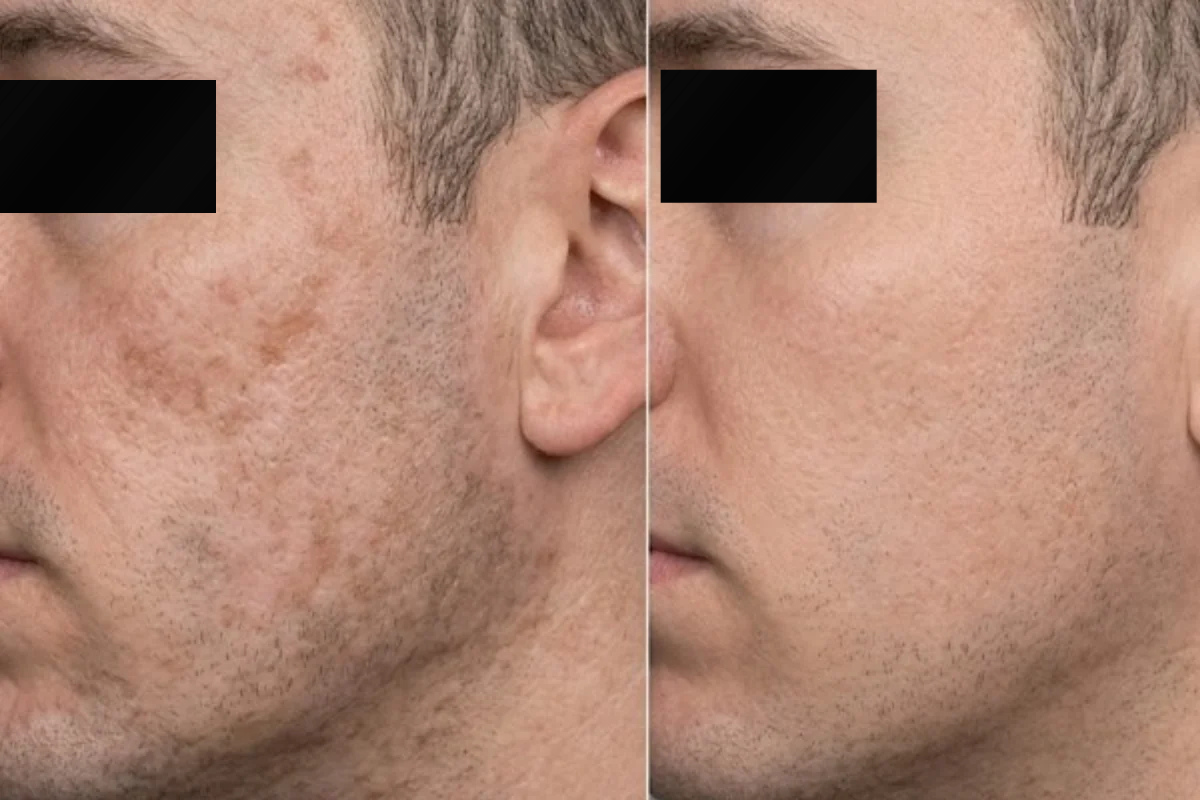
Some people are mainly concerned about recurring breakouts, while others notice dark marks, shallow depressions or deeper textural scars. Identifying the type and depth of scarring is important because the same treatment will not be suitable for every scar pattern or skin type.
At Ballani Skin Aesthetics, Dr. Indu Ballani assesses active acne, existing scars, previous treatments and how the skin is responding before discussing a plan. When breakouts are still continuing, controlling the acne may need to come first to help reduce the risk of further scarring.
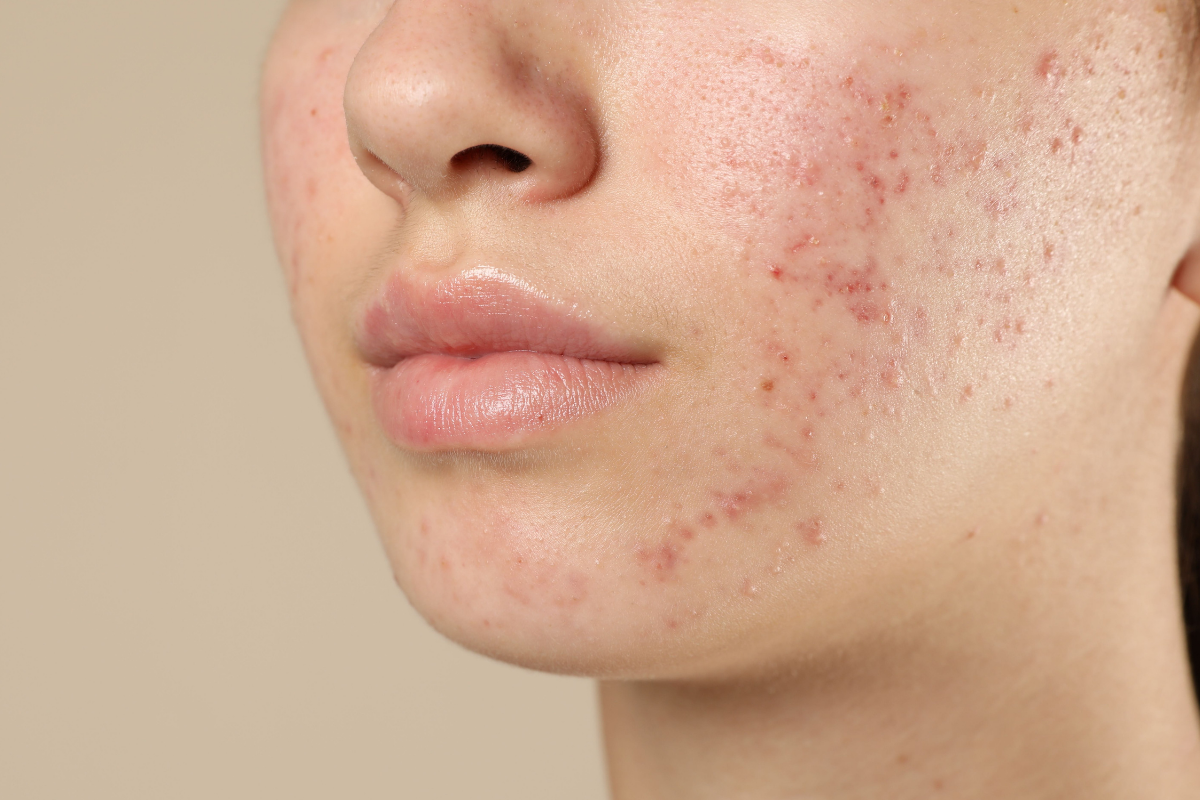
Active acne, post-acne marks and textural scars do not respond to the same approach. Dr. Indu Ballani first considers whether breakouts are still active, the type and depth of scarring, skin sensitivity and any previous treatments before deciding what should be addressed first.
Ongoing breakouts may need attention before scar-focused procedures are considered.
The approach is selected according to whether the scars are shallow, deep, uneven or accompanied by pigmentation.
Different concerns may require separate or combined treatments, with recovery and expectations discussed beforehand.
After assessing whether the concern involves active acne, marks or textural scarring, Dr. Indu Ballani selects the procedure according to the scar type, depth and skin condition.
Microneedling
Creates controlled microchannels to support gradual improvement in selected textural acne scars.
Skin Boosters
Injectable treatments used to support hydration, texture and overall skin quality as part of a planned approach.
PRP
Platelet-rich plasma prepared from the patient’s own blood and used alongside selected acne-scar procedures.
Ballani Skin Aesthetics uses Dr Platon CPT for active acne and offers Fraxel Duo, Finexel CO₂, Morpheus MNRF, microneedling, skin boosters and PRP for acne marks and selected scar types. Dr. Indu Ballani chooses the treatment or combination according to whether the concern involves active breakouts, pigmentation, shallow scars, deeper scars or uneven skin texture.
In many cases, ongoing breakouts need to be brought under better control before scar-focused procedures are planned. This can help reduce the likelihood of new scars developing while existing concerns are being addressed.
Acne-scar treatments aim to improve the appearance and texture of scars rather than promise complete removal. The degree of improvement varies according to the scar type, depth, treatment plan and individual skin response.
The number of sessions depends on whether the concern involves active acne, pigmentation, shallow scars or deeper textural changes. A more realistic estimate can be discussed after the skin has been assessed.
WhatsApp us