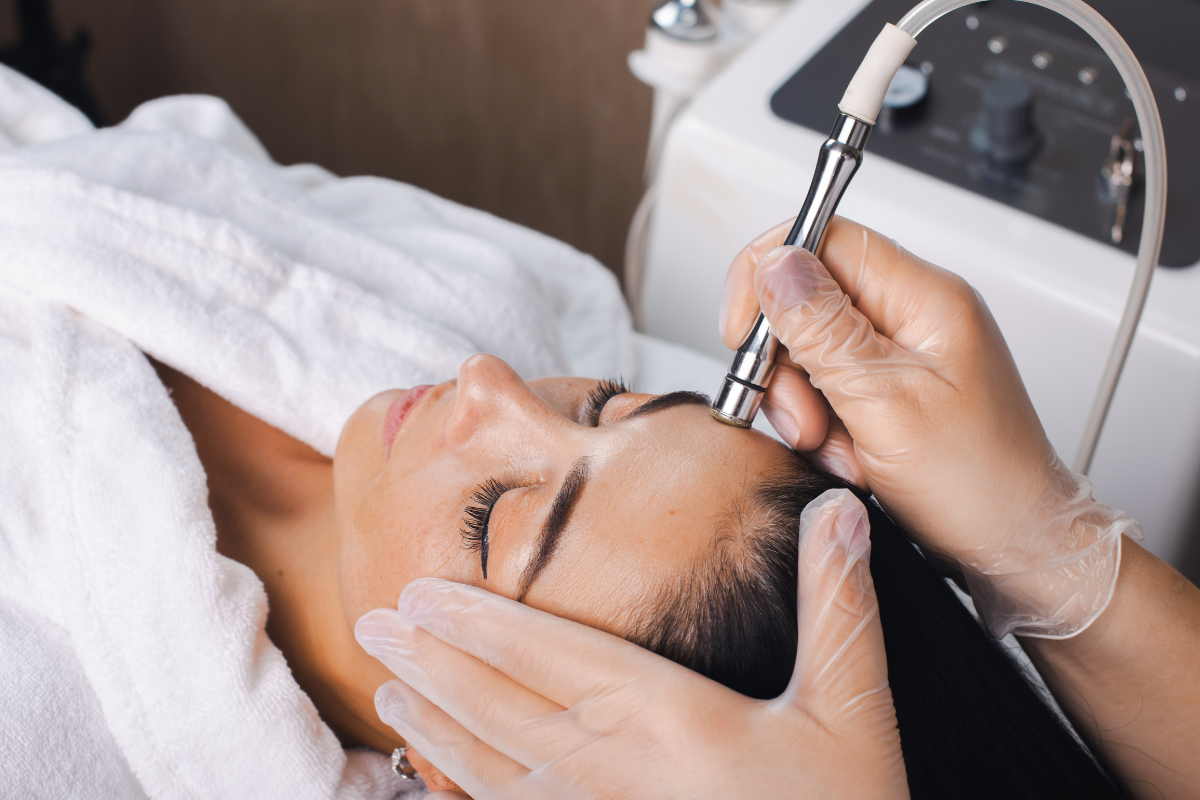
Skin may gradually feel looser around the cheeks, jawline, neck or other areas, changing the definition and firmness it once had. What appears to be a single concern can involve different degrees of skin laxity, tissue movement and changes in overall skin quality.
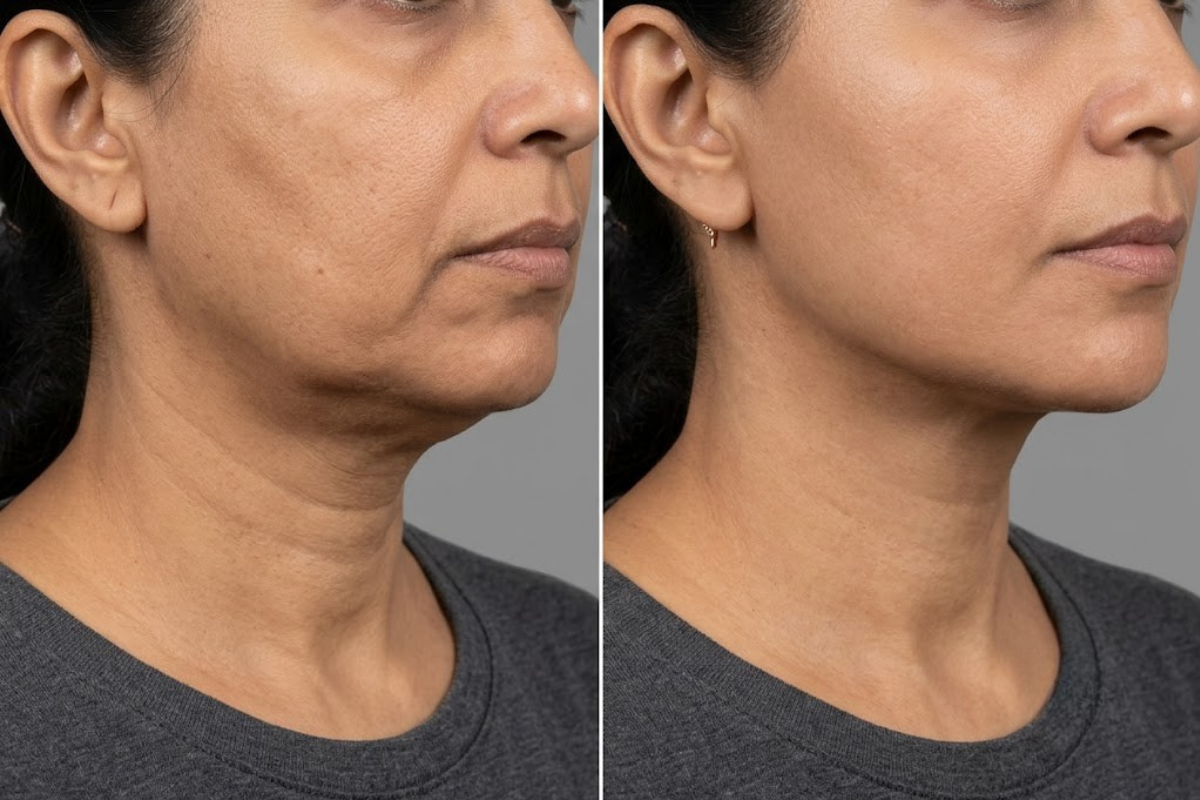
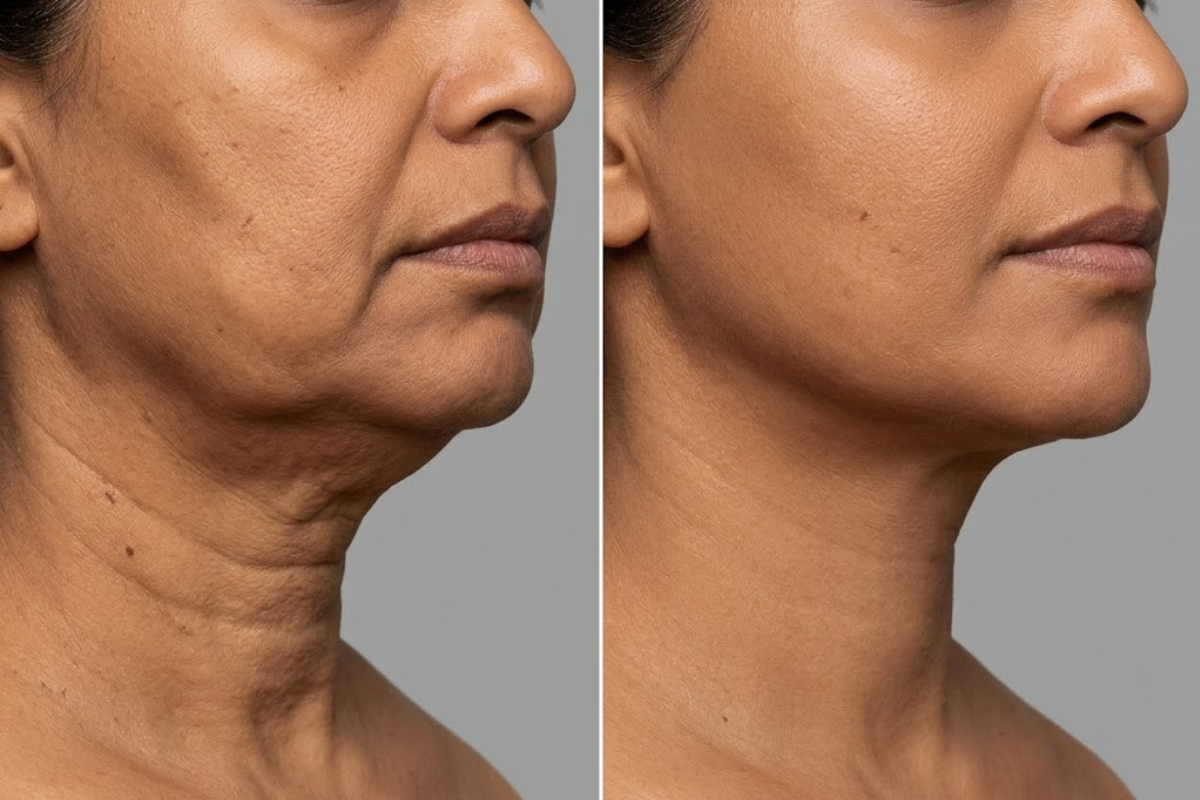
Non-surgical skin-tightening treatments can offer gradual, generally modest improvement, but they cannot reproduce the degree of lifting achieved through surgery. The appropriate option therefore depends on the area being treated, amount of looseness and the level of change that can realistically be expected.
At Ballani Skin Aesthetics, Dr. Indu Ballani assesses skin quality, facial or body contours, the degree of laxity, medical history and treatment expectations before discussing a suitable approach. The aim is to determine where tightening may be helpful and choose treatment according to the individual concern rather than using the same method for every patient.
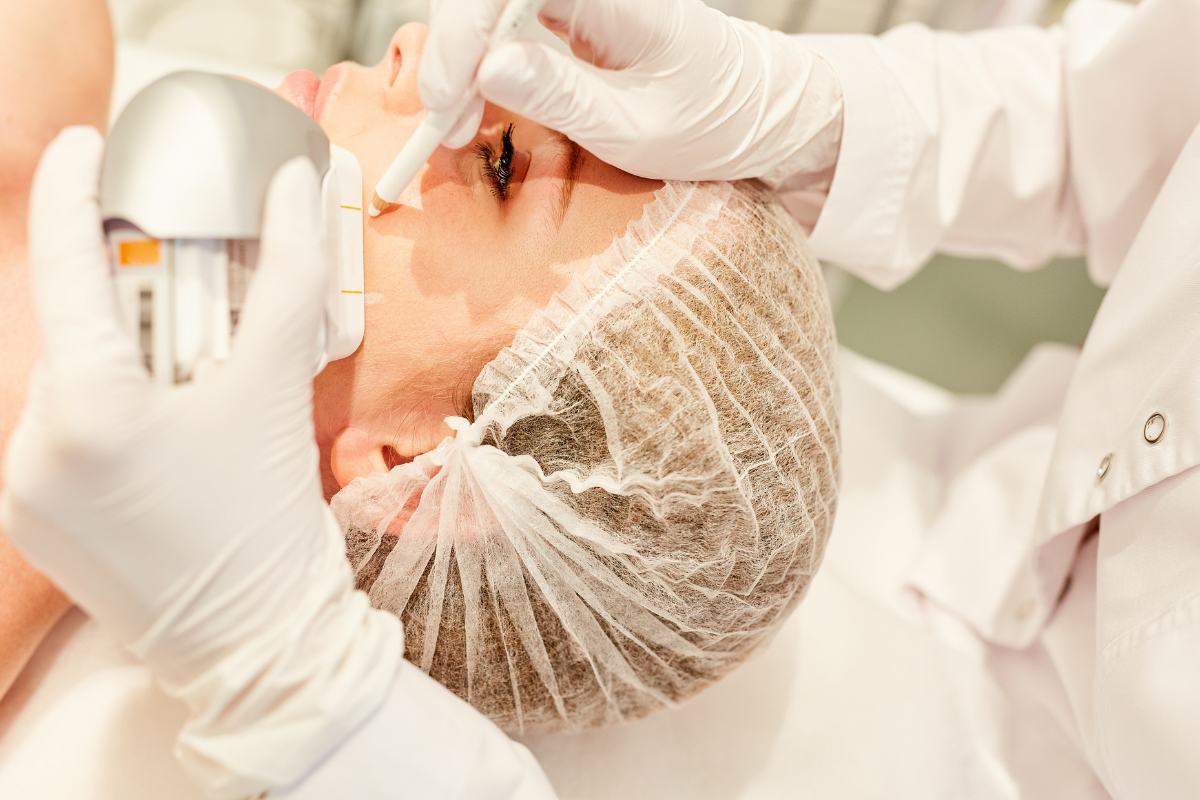
At Ballani Skin Aesthetics, Dr. Indu Ballani assesses the treatment area, degree of laxity, skin quality, underlying contours and expected level of improvement before preparing a plan. Different technologies act at different depths, so the method is selected according to where support is needed rather than applying the same treatment to every face or body area. Non-surgical tightening usually produces gradual and more modest improvement than surgery.
The location, thickness, quality and degree of looseness are considered to understand what kind of support may be suitable.
The treatment approach is chosen according to the skin layer and underlying tissues that need to be addressed.
The expected change, possible number of sessions and time needed for results are discussed according to the selected treatment and individual response.
Dr. Indu Ballani selects the procedure according to the treatment area, degree of laxity, skin texture and depth at which improvement is required.
HIFU
Focused ultrasound treatment for supporting deeper tissues and improving firmness in selected facial and body areas.
Radiofrequency
Controlled radiofrequency energy used to improve skin firmness and support gradual tightening.
Microneedling
Creates controlled microchannels to improve skin texture, fine lines and overall skin quality.
Fractional Resurfacing
Fractional treatment used to improve fine lines, uneven texture and visible signs of skin ageing.
Ballani Skin Aesthetics offers HIFU, radiofrequency tightening, microneedling and fractional resurfacing for non-surgical anti-ageing. Available technologies include Dusonic HIFU, Morpheus MNRF, Microlift 1470 nm, Fraxel Duo and Finexel CO₂. Dr. Indu Ballani selects the procedure according to skin laxity, texture, treatment area and the depth at which improvement is required.
No. Non-surgical treatments may offer gradual, modest improvement in mild or moderate looseness, but they cannot remove excess skin or create the degree of lifting possible with surgery. More significant sagging may therefore require a different approach.
The timeline depends on the technology used. Some initial firmness may be noticed earlier, but improvement commonly develops gradually as the treated tissues respond over the following months. Ultrasound and radiofrequency results may continue developing for approximately two to six months.
Some patients may be suitable for a single session, while others may benefit from a planned series or later maintenance. The number of sessions depends on the area, degree of looseness, technology selected and individual response rather than following one standard schedule.
WhatsApp us