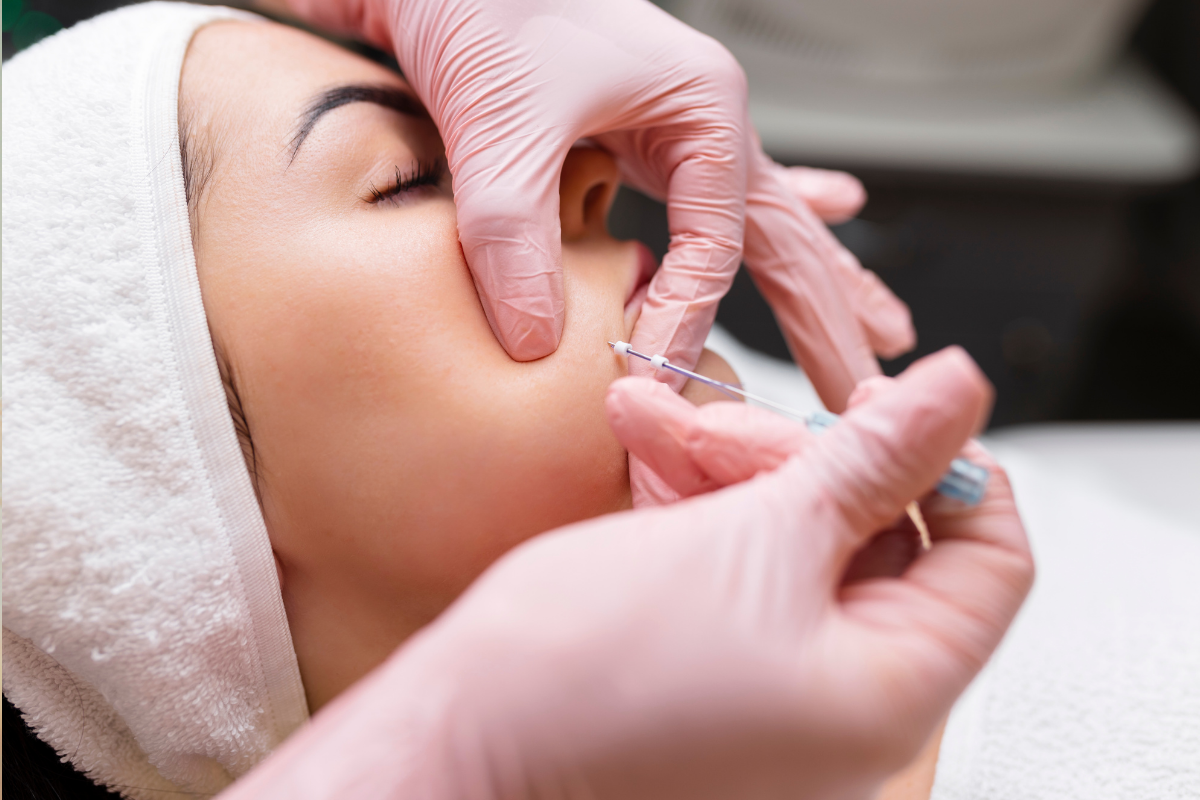
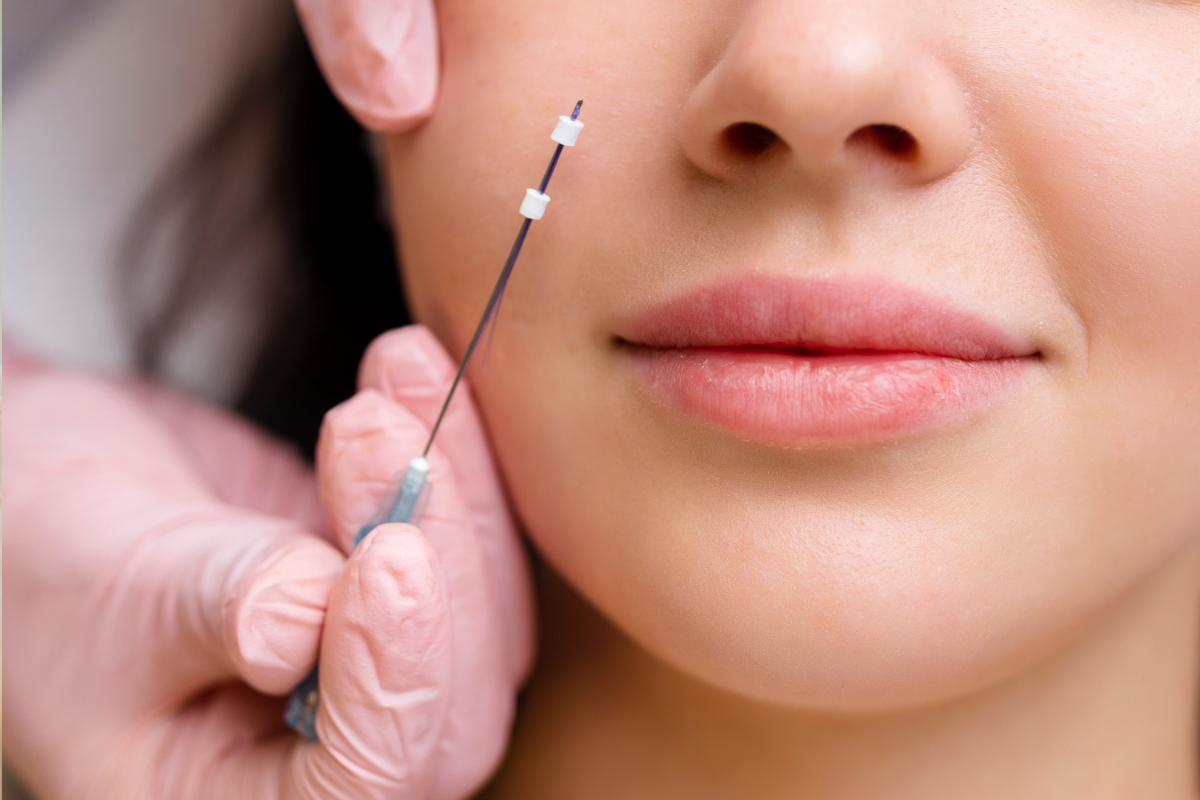
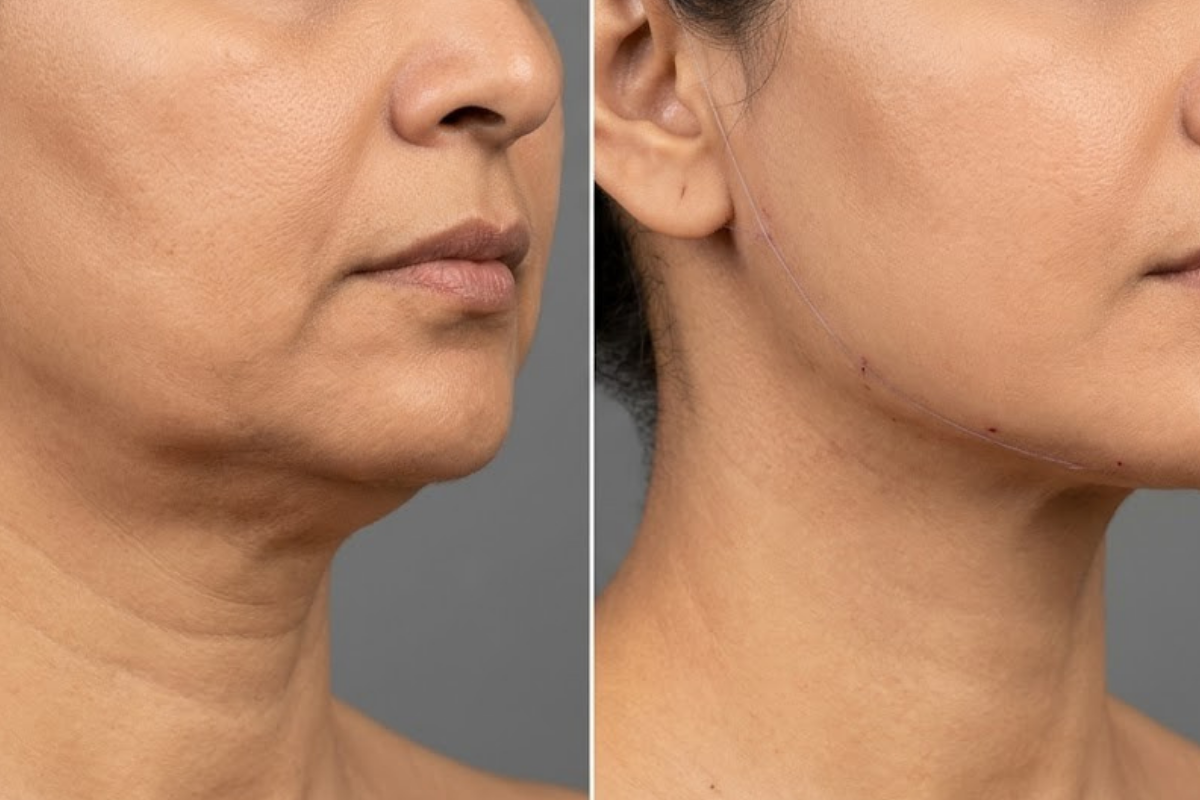
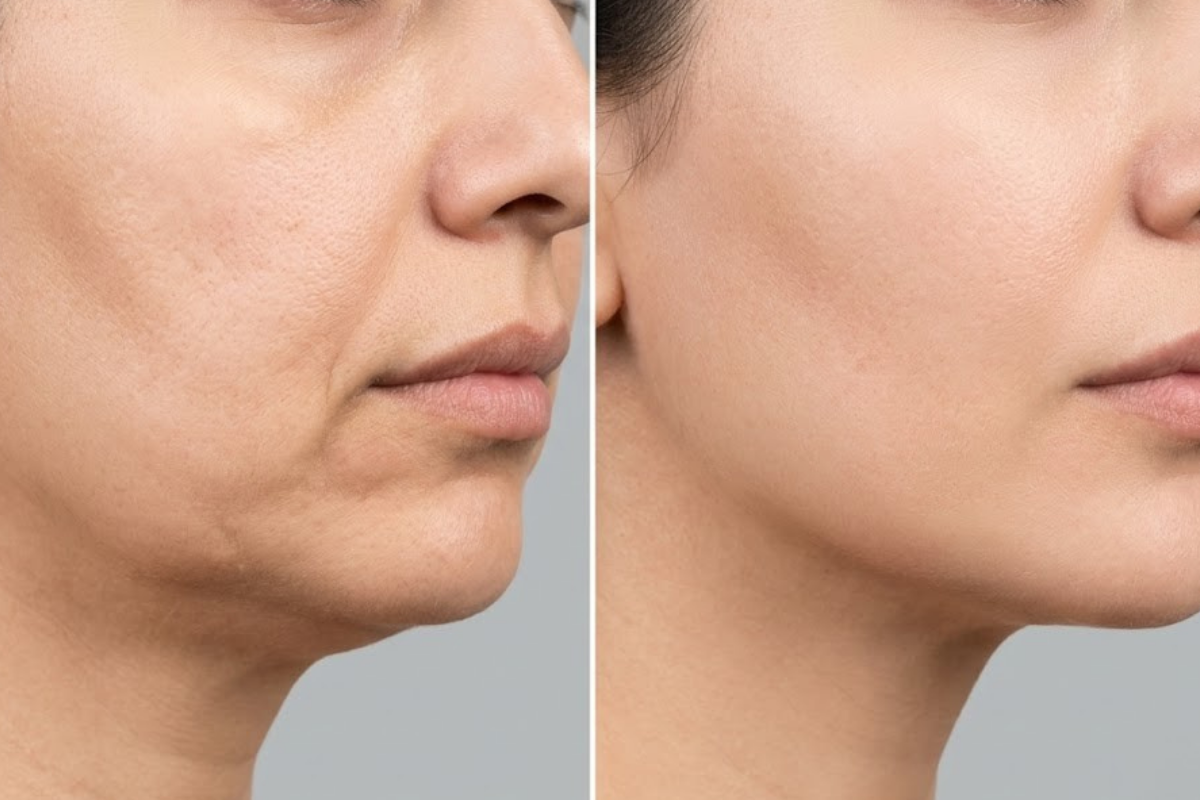
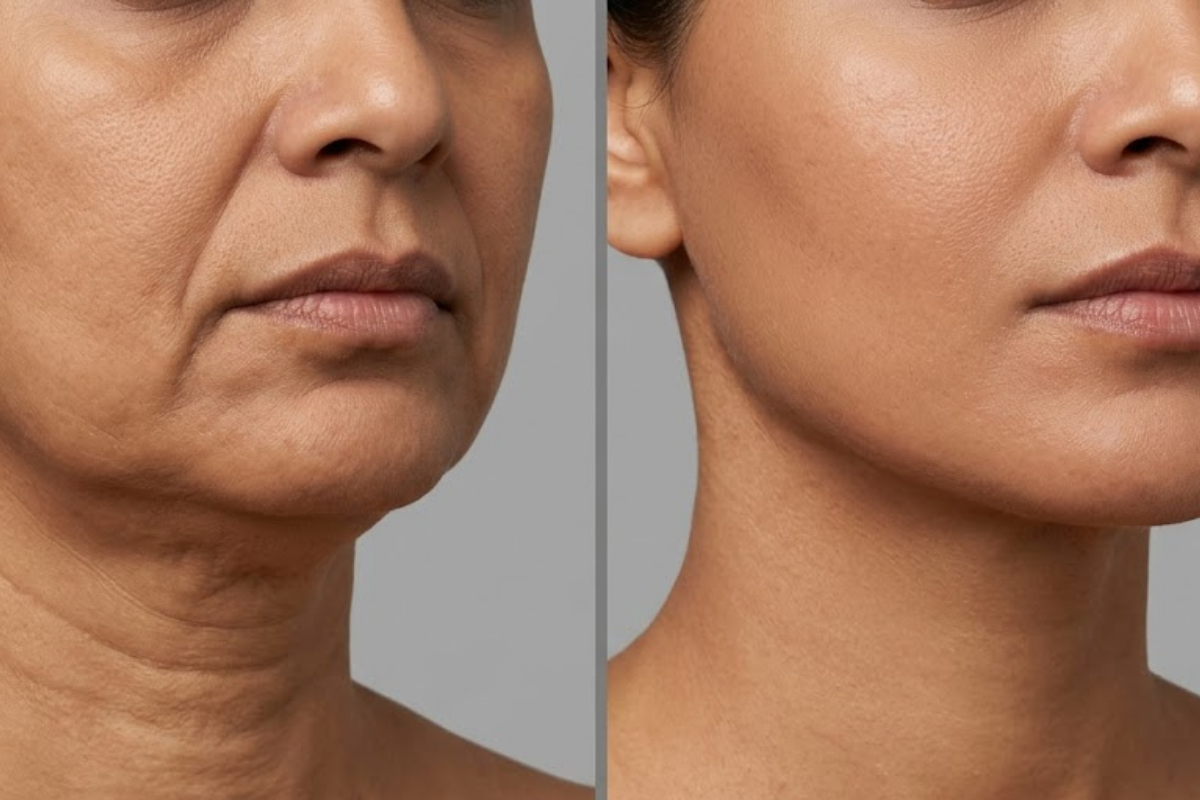
A thread lift uses absorbable medical threads placed beneath the skin to support and reposition selected facial tissues. It can address early to moderate looseness around areas such as the cheeks, jawline, brows and neck when the skin and facial structure are suitable.
Unlike a surgical facelift, a thread lift provides a more limited degree of correction and does not remove excess skin. The direction, number and placement of the threads must therefore be planned according to where support is needed and what can realistically be achieved.
At Ballani Skin Aesthetics, Dr. Indu Ballani assesses facial structure, skin quality, tissue movement and the areas of concern before preparing the treatment plan. The aim is to create carefully positioned support while maintaining balance across the face.
Thread procedures are a key area of expertise at Ballani Skin Aesthetics. Dr. Indu Ballani performs thread-based facial treatments, conducts professional training and hands-on workshops for doctors, and is a co-author of Thread Lift in Dermatology with Dr. Rashmi Sarkar.
Her approach brings together facial anatomy, vector planning, appropriate thread selection and careful placement to create support that remains proportionate to the patient’s features.
Thread procedures planned around facial anatomy, skin laxity and tissue movement.
Thread lift training and hands-on workshops conducted for medical professionals.
Co-author of the specialist medical book Thread Lift in Dermatology.
No. A thread lift uses absorbable medical threads placed beneath the skin to support and reposition selected tissues. The type, number, direction and placement of threads are planned according to facial anatomy and the degree of support required.
No. A thread lift is intended for selected patients with early to moderate tissue laxity. Significant sagging or excess skin generally requires a different treatment approach because thread procedures cannot provide the same correction as a surgical facelift.
The treatment area is numbed before the threads are placed. Pressure, pulling or tightness can be felt during the procedure, followed by temporary tenderness or discomfort as the area heals.
Temporary swelling, bruising, tightness or tenderness can occur after treatment. Many patients return to routine activities within a few days, although complete settling and healing take longer. Personalised aftercare instructions should be followed carefully.
WhatsApp us