
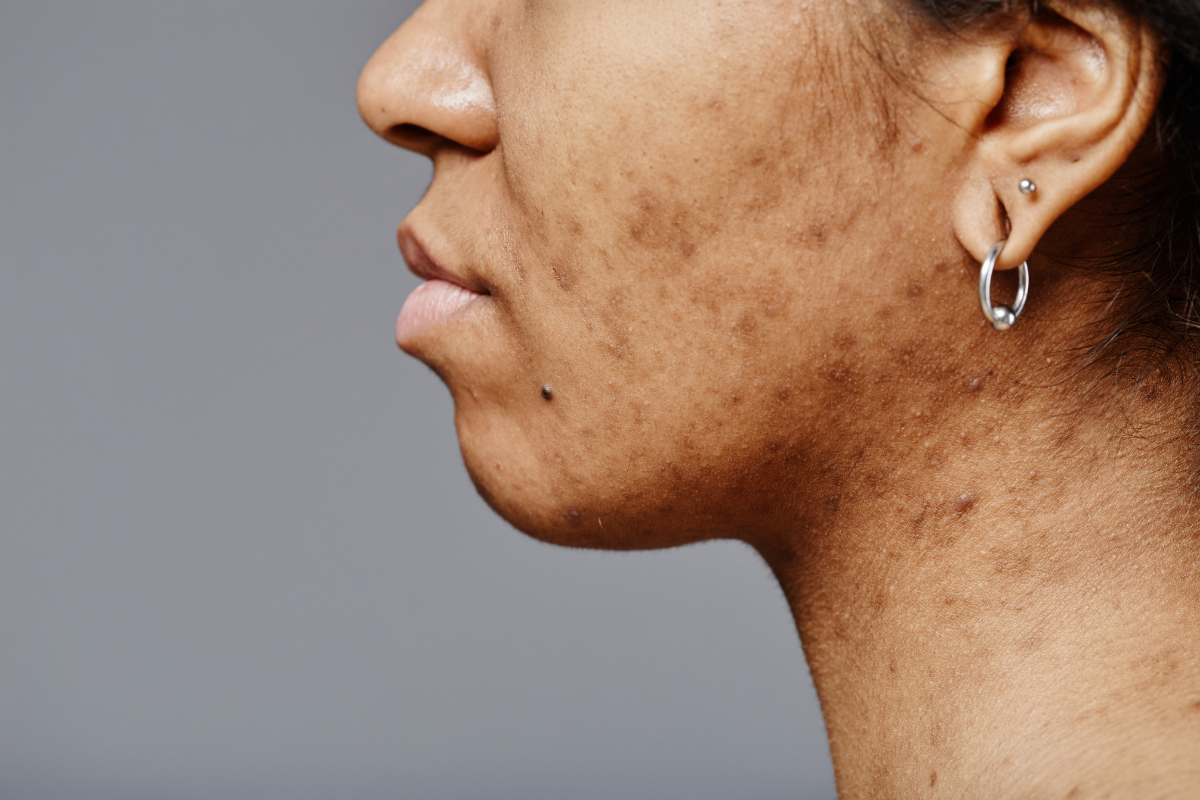
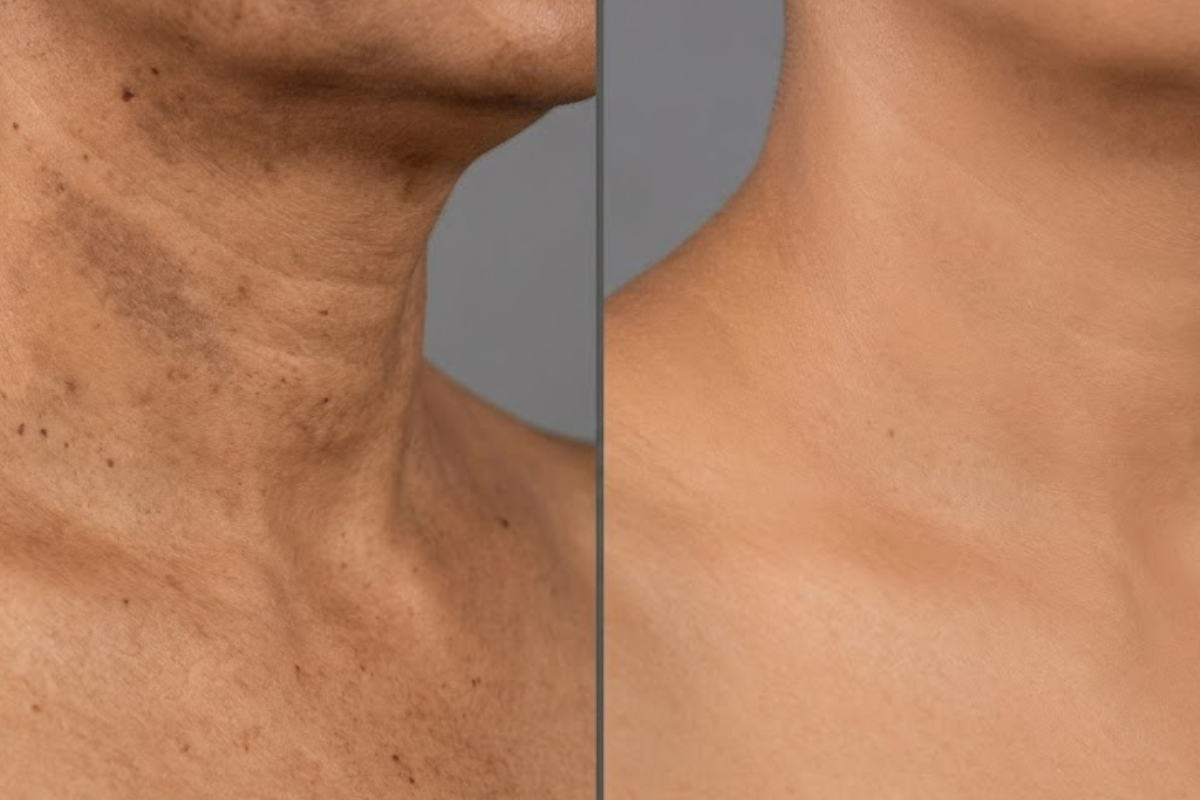
Pigmentation may appear as uneven tone, dark spots or larger patches that become more noticeable over time. It can develop after inflammation, sun exposure or hormonal changes, but similar-looking marks do not always have the same cause.
Some people are concerned about post-acne marks, while others may be dealing with melasma, sun-related spots or pigmentation left after skin irritation. Identifying the type, depth and possible trigger matters because each may respond differently to treatment.
At Ballani Skin Aesthetics, Dr. Indu Ballani assesses the pattern of pigmentation, skin characteristics, previous treatments and factors that may be contributing to it before discussing suitable options. Sun protection and ongoing skin care may also form an important part of the plan.
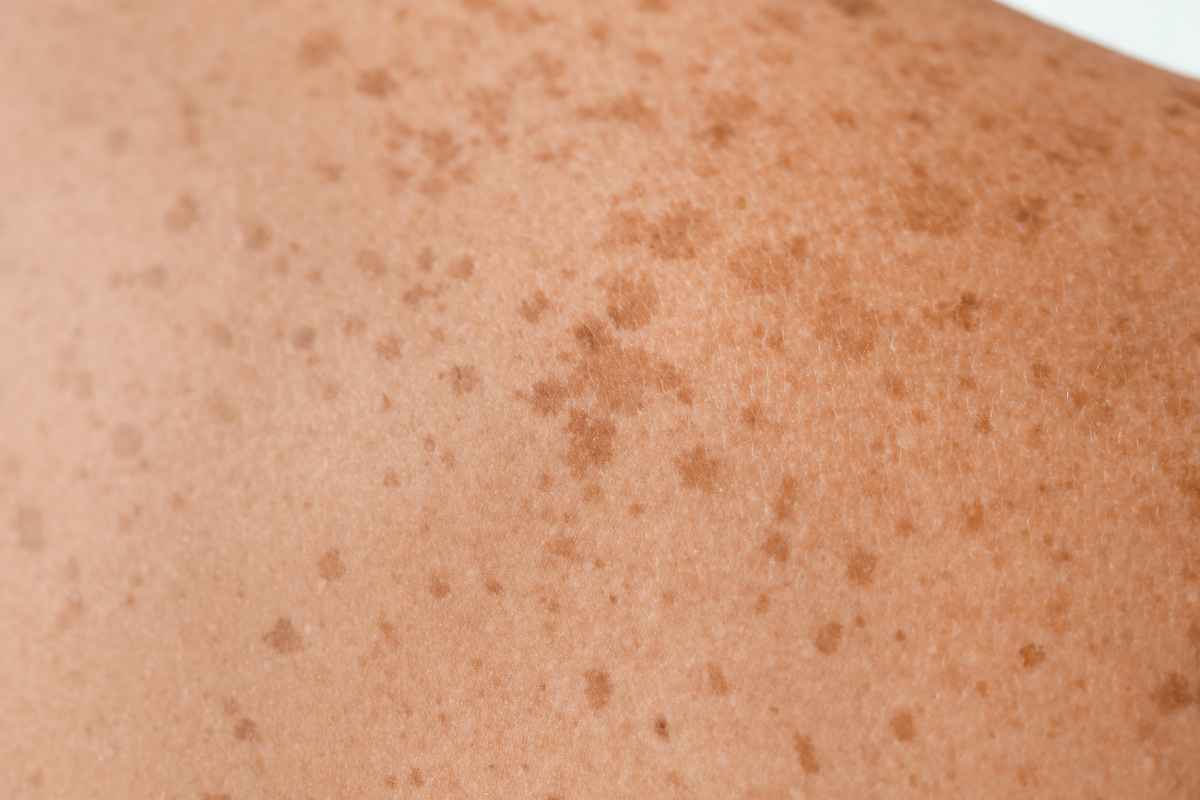
At Ballani Skin Aesthetics, Dr. Indu Ballani considers the pattern of pigmentation, possible triggers, skin type, sensitivity and previous treatments before planning care. Treatment may need to progress gradually because overly aggressive procedures can sometimes cause further pigmentation, particularly in deeper skin tones.
The first step is understanding whether the concern involves post-acne marks, melasma, sun-related spots or another form of uneven pigmentation.
Treatment is chosen according to the type, depth and behaviour of the pigmentation rather than using one method for every dark patch.
Ongoing care and protection are important because some forms of pigmentation can return or become darker after further irritation.
Dr. Indu Ballani selects the treatment according to the type, depth and pattern of pigmentation, along with the patient’s skin tone and sensitivity.
Skin Boosters
Injectable formulations used to improve hydration and support overall skin quality alongside pigmentation treatment.
Mesotherapy
Selected formulations delivered through small injections into targeted areas of uneven pigmentation.
PRP
Platelet-rich plasma prepared from the patient’s own blood and used to support skin repair and overall skin quality.
Ballani Skin Aesthetics uses Fraxel Duo, Finebeam Duo, Lumecca IPL, skin boosters, mesotherapy and PRP for pigmentation concerns. Dr. Indu Ballani selects the treatment according to whether the concern involves melasma, post-acne marks, sun-related spots or another form of uneven pigmentation. The final plan uses one treatment or a carefully staged combination based on the pigmentation pattern, skin tone and sensitivity.
No. Post-acne marks, melasma, sun-related spots and pigmentation following irritation may behave differently. Treatment must be selected according to the diagnosis, skin type and likelihood of the pigmentation returning or becoming darker.
The number of sessions depends on the type and depth of pigmentation, the treatment selected and how the skin responds. Some concerns may improve gradually, while others require ongoing management rather than a single procedure.
Some forms of pigmentation, particularly melasma, can return. Consistent sun protection and appropriate maintenance care may be important for protecting improvement over time.
WhatsApp us