
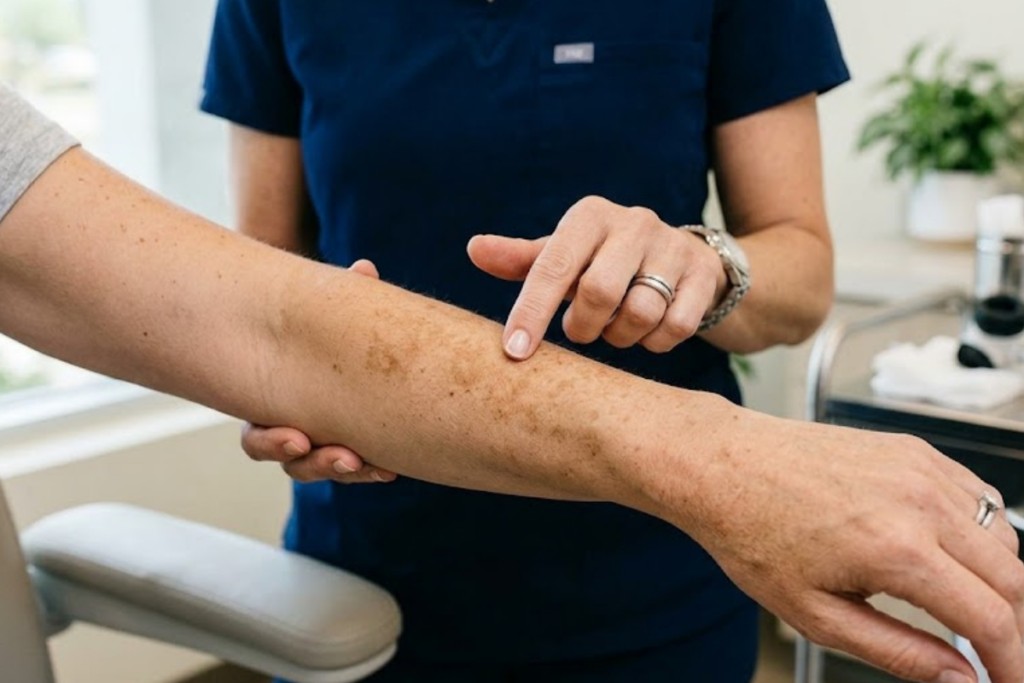
You’ve finally started seeing clearer skin after weeks or months of treatment, only to notice those familiar dark patches gradually returning. If this sounds familiar, you’re not alone. Understanding why pigmentation returns is the first step toward managing it effectively. In many cases, recurring pigmentation isn’t a sign that treatment failed. Instead, it’s often your skin responding to ongoing triggers such as sun exposure, hormones, inflammation, or lifestyle factors. The good news is that with the right diagnosis, consistent care, and personalized treatment plan, long-lasting improvement is possible.
In this guide, we’ll explain why pigmentation comes back, what your skin may actually need, and how a comprehensive approach can help you achieve healthier, more even-toned skin.
Why Pigmentation Returns
Pigmentation often returns because the underlying trigger continues to stimulate melanin production even after visible discoloration has faded. Treating the dark spots alone may improve appearance temporarily, but lasting results depend on identifying and managing the root cause.
Melanin is your skin’s natural pigment. Specialized cells called melanocytes produce melanin to protect your skin from ultraviolet (UV) damage. When these cells become overactive, excess pigment forms, resulting in conditions such as melasma, post-inflammatory hyperpigmentation (PIH), or sunspots.
Common Reasons Pigmentation Keeps Coming Back
1. Sun Exposure
Even a few minutes of unprotected UV exposure can reactivate pigment-producing cells. Many people assume sunscreen is only necessary during outdoor activities, but everyday exposure while driving, walking, or sitting near windows can contribute to recurring pigmentation.
The American Academy of Dermatology recommends using a broad-spectrum sunscreen with SPF 30 or higher every day, regardless of the weather.
2. Hormonal Changes
Hormonal fluctuations are a major contributor to melasma. Pregnancy, birth control pills, hormone replacement therapy, and certain medical conditions can stimulate melanin production, making pigmentation more persistent.
If hormonal factors remain active, pigmentation may return even after successful laser treatments or chemical peels.
3. Inflammation
Acne breakouts, eczema, allergic reactions, insect bites, or even aggressive skincare routines can trigger post-inflammatory hyperpigmentation. Every episode of skin inflammation has the potential to leave behind new discoloration.
4. Incomplete Treatment
Visible pigmentation is often only part of the problem. Deeper pigment deposits may remain beneath the surface after initial treatment. Without completing the recommended treatment plan and maintenance care, pigment can gradually become noticeable again.
5. Incorrect Skincare Products
Using harsh exfoliants, irritating products, or unverified home remedies can damage the skin barrier. When the barrier weakens, inflammation increases, which may encourage more pigmentation instead of preventing it.
Different Types of Pigmentation Behave Differently
| Type | Common Cause | Likelihood of Recurrence |
|---|---|---|
| Melasma | Hormones and UV exposure | High without maintenance |
| Post-inflammatory Hyperpigmentation | Acne, injury, irritation | Moderate if inflammation continues |
| Sunspots | Long-term sun exposure | New spots may develop without sun protection |
| Freckles | Genetics and sunlight | Often darken with UV exposure |
What Your Skin May Actually Need
Instead of repeatedly treating visible spots, your skin often benefits from a comprehensive strategy that targets both existing pigmentation and its underlying triggers.
Professional Skin Assessment
An accurate diagnosis helps determine whether you’re dealing with melasma, post-inflammatory hyperpigmentation, sun damage, or another pigment disorder. This distinction is important because different conditions respond differently to treatment.
Medical-Grade Skincare
Dermatologist-recommended ingredients may include:
- Vitamin C to help reduce oxidative stress.
- Niacinamide to strengthen the skin barrier.
- Azelaic acid to reduce inflammation and pigmentation.
- Retinoids to encourage healthy skin cell turnover.
- Prescription depigmenting agents when clinically appropriate.
The DermNet resource provides an overview of treatment options for various pigmentation disorders.
Advanced In-Clinic Treatments
Depending on the diagnosis, your dermatologist may recommend:
- Chemical peels
- Laser pigmentation treatments
- Laser toning
- Microneedling with supportive therapies
- Prescription combination treatments
These treatments often work best when combined with a personalized home skincare routine rather than used as standalone solutions.
Daily Sun Protection
Consistent sunscreen use remains one of the most effective ways to prevent recurring pigmentation. Reapplication every two hours during prolonged outdoor exposure provides the best protection.
The Skin Cancer Foundation also emphasizes daily UV protection as an essential part of maintaining healthy skin.
DIY vs. Professional Treatment
DIY Approaches
Many over-the-counter products promise dramatic improvements, but results can be inconsistent. In some cases, excessive exfoliation or strong acids may worsen irritation and lead to more pigmentation.
Professional Care
Professional evaluation allows treatment to be tailored based on your skin type, pigment depth, and medical history. A dermatologist can also monitor your progress and adjust treatments as your skin changes.
Common Mistakes That Make Pigmentation Return Faster
- Skipping sunscreen because it’s cloudy.
- Stopping treatment as soon as pigmentation fades.
- Using multiple active ingredients without guidance.
- Picking acne or scratching healing skin.
- Trying viral home remedies without medical evidence.
- Ignoring hormonal or medical contributors.
How to Maintain Your Results
Long-term management often produces better results than one-time treatments. Your maintenance plan may include:
- Daily broad-spectrum sunscreen.
- Gentle cleansing.
- Regular moisturizing.
- Maintenance skincare prescribed by your dermatologist.
- Periodic professional treatments if recommended.
- Prompt treatment of acne or inflammatory skin conditions.
Research published by the National Center for Biotechnology Information (NCBI) highlights the importance of identifying underlying causes and maintaining long-term treatment strategies for pigment disorders.
Frequently Asked Questions
Why does pigmentation come back after laser treatment?
Laser treatment removes existing pigment, but it does not always eliminate the underlying cause. Continued sun exposure, hormonal changes, or inflammation can stimulate new pigment formation.
Can pigmentation disappear permanently?
Some forms of pigmentation can resolve completely, while chronic conditions such as melasma often require ongoing maintenance to keep pigment under control.
How long should I continue using pigmentation skincare?
Maintenance varies depending on your diagnosis. Many people benefit from continuing dermatologist-recommended skincare even after visible improvement to reduce recurrence.
Is sunscreen enough to prevent pigmentation?
Sunscreen is essential but usually works best alongside appropriate skincare and treatment of any underlying causes.
Should I treat pigmentation at home or visit a dermatologist?
Mild discoloration may respond to carefully selected skincare products. Persistent, worsening, or recurring pigmentation should be evaluated by a qualified dermatologist for an accurate diagnosis and personalized treatment plan.
If you’re interested in learning more about real patient experiences and skin transformation journeys, explore our Inspiring Stories.
Conclusion
Understanding why pigmentation returns helps shift the focus from repeatedly treating dark spots to addressing the underlying causes. Whether the trigger is sunlight, hormones, inflammation, or an impaired skin barrier, long-lasting improvement usually comes from combining professional guidance, medical-grade skincare, and consistent sun protection.
If recurring pigmentation has been frustrating your progress, a personalized skin assessment can help identify what’s driving it and recommend the most effective treatment strategy for your skin.
Ready to Take the Next Step?
If you’re concerned about recurring pigmentation, schedule a consultation with an experienced dermatologist to receive a personalized evaluation and treatment plan designed for your skin type and concerns.
Have questions about pigmentation treatments or maintenance care? Contact our team today—we’re here to help you make informed decisions and achieve healthier, more even-toned skin.