
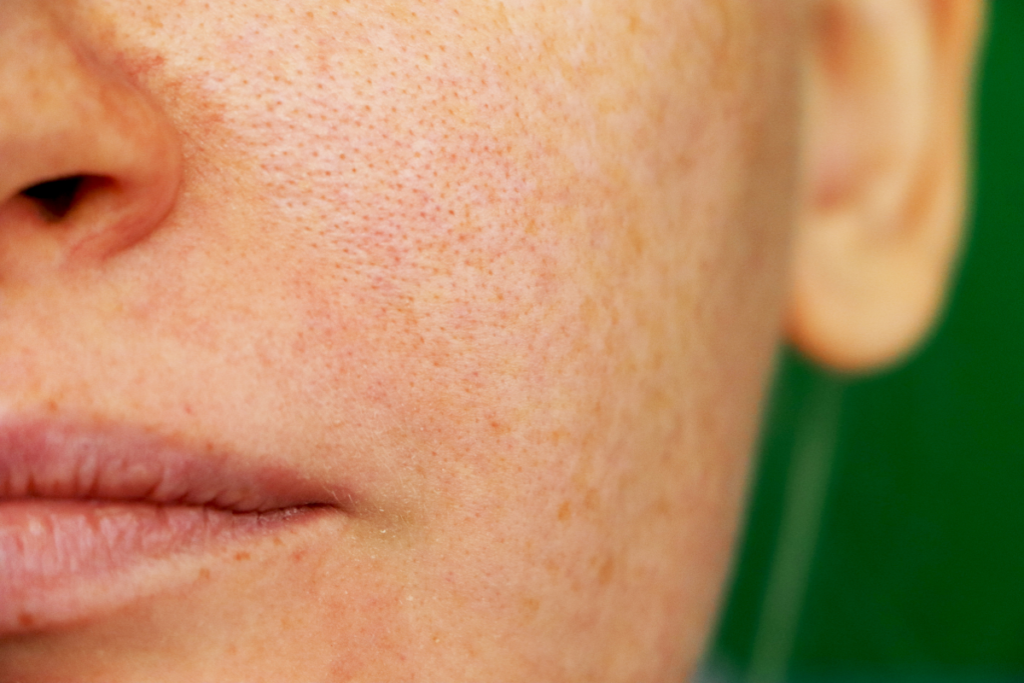
You spend months being careful with skincare, finally watch the dark patches fade, and then notice the same uneven colour appearing again. It can be frustrating when pigmentation keeps coming back, especially after you have already invested time in creams, peels, or professional treatments. Recurrence, however, does not automatically mean that your previous treatment failed.
Facial pigmentation is influenced by what is happening both at the skin surface and underneath it. Sun exposure, visible light, hormones, acne, inflammation, skin irritation, and the type of pigmentation you have can all affect how quickly dark patches return. Understanding these triggers is often more useful than simply reaching for a stronger treatment every time the colour reappears.
Why Pigmentation Keeps Coming Back
Pigmentation can return when pigment-producing cells remain sensitive to triggers such as ultraviolet light, visible light, hormones, and inflammation. A treatment may successfully lighten existing discoloration, but it cannot always remove your skin’s tendency to produce excess melanin. This is especially relevant with recurrent conditions such as melasma.
Melanin is the natural pigment that gives skin its colour. Cells called melanocytes produce it. When these cells are repeatedly stimulated, melanin production can become uneven or excessive, creating brown, grey-brown, or darker patches across the face.
The American Academy of Dermatology explains that melasma treatment commonly begins with sun protection and topical treatment, and that an individualized treatment plan may be needed. Current clinical guidance also considers melasma a condition that often needs long-term control rather than a one-time cure.
First, Know What Type of Pigmentation You Have
Not every dark patch is melasma. Facial pigmentation can result from different processes, and identifying the cause changes how it should be managed. Treating acne marks, sunspots, and melasma with exactly the same routine can produce disappointing results or unnecessary irritation.
| Type of Pigmentation | Typical Pattern | Common Triggers | Why It May Return |
|---|---|---|---|
| Melasma | Brown or grey-brown patches, often on the cheeks, forehead, upper lip, or nose | Sunlight, visible light, hormonal influences | The skin remains sensitive to pigment-triggering factors |
| Post-inflammatory hyperpigmentation | Dark marks left after acne, irritation, eczema, or injury | Inflammation and skin injury | New inflammation creates new marks |
| Sun-related pigmentation | Freckles, uneven tone, or more defined brown spots | Repeated ultraviolet exposure | Continued exposure can darken old spots and contribute to new ones |
| Irritation-related pigmentation | Uneven darkening following redness, burning, or sensitivity | Harsh skincare, excessive exfoliation, unsuitable procedures | Repeated irritation keeps stimulating inflammation |
A dermatologist may assess the pattern, colour, distribution, medical history, treatment history, and condition of your skin before recommending the next step.
Sunlight Can Reactivate Facial Pigmentation
One of the biggest reasons pigmentation returns is ongoing light exposure. Ultraviolet radiation stimulates pigment production, which can make existing patches darker and contribute to uneven skin tone.
This exposure does not only happen during a beach holiday. Walking outdoors, driving, exercising outside, or spending time in strong daylight can all add to your cumulative exposure.
The American Academy of Dermatology’s guidance on dark spots recommends broad-spectrum sun protection and specifically discusses tinted sunscreen containing iron oxide for people managing hyperpigmentation.
Visible Light Can Matter Too
People often focus only on UV radiation, but visible light can also contribute to pigmentation, particularly in people prone to melasma or persistent hyperpigmentation. Research on visible-light-induced pigmentation has shown that iron-oxide-containing formulations can provide additional protection against visible light compared with conventional untinted mineral sunscreen in studied skin types.
This is why your dermatologist may recommend a tinted, broad-spectrum sunscreen rather than simply advising you to choose the highest SPF number you can find.
Melasma Recurrence Does Not Always Mean Treatment Failed
Melasma recurrence happens because the skin can remain biologically prone to producing excess pigment even after visible patches have improved. Sun exposure, visible light, hormonal influences, and other individual triggers can restart the pigmentation process. Successful treatment therefore often includes both an improvement phase and an ongoing maintenance phase.
This difference is important. If your melasma becomes significantly lighter after treatment and darkens again months later, it does not necessarily mean that nothing worked. The pigment may have responded, while the underlying tendency remained.
A current NCBI clinical overview of melasma describes management in terms of reducing triggers, lightening existing pigmentation, and using long-term maintenance to reduce relapse.
That is why repeated aggressive treatment without a maintenance strategy can become a frustrating cycle: lighten, stop everything, darken again, repeat.
Inflammation May Be Creating New Dark Spots on Your Face
Post-inflammatory hyperpigmentation develops after the skin has been inflamed or injured. If acne, eczema, irritation, scratching, picking, or another inflammatory problem continues, new pigment can keep appearing even while older marks are fading.
Consider someone treating dark acne marks while still developing several inflamed pimples every month. The pigmentation may seem to be “returning,” but some of those spots are actually new marks being created by new inflammation.
DermNet describes post-inflammatory hyperpigmentation as pigmentation that follows epidermal or dermal injury and notes that sunlight can further darken affected areas.
This is why successful treatment may need to address the acne, dermatitis, or irritation first rather than focusing exclusively on removing the colour left behind.
Your Skincare Routine Could Be Making Pigmentation Harder to Control
When you want dark spots gone quickly, it is tempting to combine several acids, scrubs, retinoids, brightening serums, and home remedies. Pigmentation-prone skin does not always respond well to that approach.
If your routine regularly leaves your face burning, stinging, peeling heavily, or persistently red, the resulting inflammation may worsen pigmentation on the face. More active ingredients do not automatically create faster results.
A better routine is usually one your skin can tolerate consistently. Depending on the diagnosis, dermatologist-guided treatment may include ingredients such as azelaic acid, retinoids, hydroquinone-based treatment, or other pigment-regulating formulations. The correct choice depends on your skin, medical history, pigmentation type, and previous response.
What Your Skin May Actually Need
Recurring pigmentation usually needs a plan that addresses the pigment, its triggers, and your skin’s tolerance at the same time. The right approach may involve daily photoprotection, treatment of acne or inflammation, carefully selected topical ingredients, and professional procedures where appropriate.
| If You Notice… | Your Skin Plan May Need to Prioritize… |
|---|---|
| Melasma that improves and repeatedly darkens | Daily photoprotection, pigment control, trigger management, and maintenance |
| Dark marks appearing after every breakout | Controlling active acne alongside treatment for residual marks |
| Burning or sensitivity from multiple products | Reducing irritation and restoring skin-barrier tolerance |
| Uneven tone after years of sun exposure | Sun protection and treatment selected according to the type of pigmentation |
| Persistent pigmentation despite several treatments | Reassessment of the diagnosis and previous treatment strategy |
Professional Treatments May Have a Role
Chemical peels, selected laser or light-based procedures, microneedling-based approaches, and other dermatologist-led treatments may be considered for suitable patients. The most appropriate procedure depends on the diagnosis, pigment depth, skin type, sensitivity, and risk of developing further post-inflammatory pigmentation.
With pigmentation, stronger is not automatically better. The aim is controlled improvement without unnecessarily inflaming the skin.
Common Mistakes That Keep the Pigmentation Cycle Going
- Assuming every brown patch is melasma: Different pigmentation disorders need different treatment strategies.
- Stopping sunscreen once the skin improves: Light exposure can stimulate pigment again.
- Treating only the dark mark and ignoring active acne: New inflammation can keep creating new pigmentation.
- Over-exfoliating: Repeated irritation can make pigmentation-prone skin harder to manage.
- Using prescription-strength products without supervision: Incorrect use can cause irritation and other unwanted effects.
- Changing routines every few weeks: Constant changes make it difficult to judge what is helping your skin.
- Expecting one procedure to permanently remove melasma: Melasma commonly requires maintenance.
DIY Pigmentation Care vs Professional Assessment
Daily sunscreen, gentle skincare, and avoiding known irritants are sensible at-home measures, but recurring or unclear pigmentation deserves professional assessment. A dermatologist can distinguish between melasma, post-inflammatory pigmentation, sun-related changes, and other causes before deciding whether skincare, prescription treatment, procedures, or ongoing maintenance is appropriate.
Trial-and-error skincare becomes especially frustrating when you have already tried several brightening serums or treatments without lasting improvement. At that stage, another trending ingredient may be less valuable than finding out what is actually driving the pigmentation.
How Can You Reduce the Chance of Pigmentation Returning?
You cannot guarantee that every form of pigmentation will disappear permanently, but consistent trigger control and maintenance can reduce repeated darkening. Protecting the skin from light, controlling inflammation, avoiding unnecessary irritation, and following an appropriate long-term skincare plan are particularly important for people prone to recurrent melasma or hyperpigmentation.
- Use broad-spectrum sunscreen consistently.
- Use tinted photoprotection when recommended for your pigmentation type.
- Avoid picking acne lesions or scratching irritated skin.
- Treat recurring acne or dermatitis rather than only treating the marks they leave behind.
- Introduce active skincare carefully instead of layering multiple strong products.
- Continue maintenance treatment for as long as your dermatologist recommends.
- Have persistent, unusual, or changing pigmentation properly assessed.
For additional background on pigmentation disorders and their different causes, DermNet’s pigmentation disorder resource provides a useful clinical overview.
Frequently Asked Questions
Why does pigmentation keep coming back on my face?
Pigmentation may return because ultraviolet light, visible light, hormonal influences, acne, inflammation, or irritation continue stimulating melanin production. Some conditions, particularly melasma, remain prone to recurrence even after good improvement. Long-term control therefore usually involves treating existing pigment while also managing the triggers that encourage it to return.
Why does melasma return after treatment?
Melasma recurrence is common because treatment can lighten visible pigment without completely removing the skin’s underlying tendency to develop it. Sunlight, visible light, hormonal factors, and individual susceptibility can reactivate pigmentation. Consistent photoprotection and an appropriate maintenance routine are therefore important even after your skin becomes noticeably clearer.
Can sunscreen stop facial pigmentation from returning?
Sunscreen can significantly reduce an important trigger, but it cannot control every cause of pigmentation. Broad-spectrum protection helps limit UV exposure, while tinted sunscreens containing iron oxides can add protection from visible light. Hormonal influences, acne, irritation, or inflammatory skin conditions may still need separate treatment and ongoing management.
Can using too many skincare products worsen dark spots?
Yes. Strong acids, scrubs, retinoids, or several active products used together can irritate sensitive skin. If that irritation causes inflammation, it may contribute to post-inflammatory hyperpigmentation. A simpler routine that combines suitable pigment-control ingredients with good skin-barrier care is often more sustainable than repeatedly using aggressive products.
Are chemical peels or lasers enough to permanently remove pigmentation?
No single procedure can guarantee permanent removal of every pigmentation problem. Chemical peels and selected device-based treatments can be useful for suitable patients, but results depend on the diagnosis, skin type, pigment depth, triggers, and aftercare. Recurrent conditions such as melasma usually need photoprotection and maintenance alongside procedures.
When should I see a dermatologist for pigmentation?
See a dermatologist when pigmentation keeps returning, continues to spread, follows persistent acne or inflammation, or has not improved despite appropriate skincare. Professional assessment is also sensible before starting strong prescription products or aggressive procedures, because identifying the correct type of pigmentation is an important part of choosing safe treatment.
For more patient experiences and treatment journeys, you can read more inspiring stories.
Conclusion: Treat the Reason, Not Only the Dark Spot
If pigmentation keeps coming back, your skin may not need a stronger product every time. It may need better photoprotection, control of inflammation, a calmer skincare routine, maintenance treatment, or a clearer diagnosis of what is causing the pigmentation in the first place.
Facial pigmentation can be persistent, particularly with melasma, but understanding the triggers changes the way we approach it. Instead of repeatedly chasing each dark patch, the goal is to create a plan that manages pigment production, protects the skin, and supports steady improvement over time.
Ready to Understand Your Pigmentation Better?
Book a pigmentation consultation: If your pigmentation has returned after previous treatment, a dermatologist-led assessment can help identify the pattern, likely triggers, and treatment options that fit your skin.
Speak with our team: If you have questions about dark spots, melasma, skincare, or professional pigmentation treatments, contact us to discuss the next appropriate step for your skin.